EXTENT OF GOD’S LOVE FOR HIS CHOSEN PEOPLE

For our sake, He (Our Heavenly Father made Him (Jesus Christ, the Son) who knew no sin, to become sin for us, so that in Him we might become the righteousness of God.2 Corinthians 5:21

What an amazing Scripture that reveals the extent of God’s love for the creature He made in His image, us.

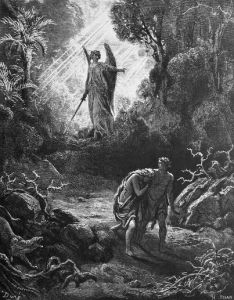
We know from God’s Word that God knew before “The Fall” when sin entered the world through our disobedience, that His Son would need to pay the price, “die in our place“, to restore us back into a right relationship with our Holy God. Jesus said, “Come, you who are blessed by My Father, inherit the kingdom prepared for you from the foundation of the world.Matthew 25:34

Paul says, God chose us before the foundation of the world, He predestined us for adoption as sons and daughters through Jesus sacrifice on the Cross.

Blessed be the God and Father of our Lord Jesus Christ, who has blessed us in Christ with every spiritual blessing in the heavenly places, even as he chose us in Him before the foundation of the world, that we should be holy and blameless before Him. In love He predestined us for adoption to himself as sons through Jesus Christ, according to the purpose of his will, to the praise of His glorious grace, with which He has blessed us in the Beloved. Ephesians 1:3-6

Events in God’s world do not unfold by chance, nor are the events a reactionary action from God. He causes them to come to be. Scripture simply unfolds this as an incontrovertible and uncontroversial thing. God is depicted as the One who not only intervenes as He sees fit, but Scripture attributes all actions to God’s predetermined plan.

One of the clearest examples of this is in Genesis 50:20, the verse summarizing the narrative of Joseph and his brothers “As for you, you meant evil against me, but God meant it for good in order to bring about this present result, to keep many people alive.” In other words: all of the evils Joseph endured through the hand of others was not simply repurposed for good, but ultimately brought about by God Himself as good.

It meant the betrayal of Joseph’s brothers, being sold into slavery, Potiphar’s false imprisonment of him, the cup-bearer forgetting of Joseph’s correct interpretation, and then his subsequent delivery from prison, appointment to a position of prominence, and his shrewd planning for the widespread famine to come—was all ordained by God to keep many people alive, not the least of which being the nation of Israel. God’s covenant faithfulness to Abraham is on full display in His preservation of the Israelites.

The gospels speak candidly to those who are blinded by God so that they cannot be saved (Matt. 13:14; Mk. 4:12, 6:52; Jn. 12:39-40). The epistles likewise have no shame expressing that God has mercy upon whom He will have mercy, and harden whom He will harden—and there is no charge of injustice against God in His sovereign right to choose whom He desires (Rom. 9, 11:7, 11:25).

This theme is picked up clearly elsewhere as well (Ps. 69:28; Lk. 10:20; Eph. 1:3-12; Rev. 3:5, 17:8). Yet it is likewise seen in the fact that God appointed vast swaths of people to come to faith in the early church (Acts 13:48, 15:17-18). We find similar echoes of God’s sovereignty in those whom He has established as authorities on earth (Dan. 2:21; Jn. 19:11; Rom. 13:1-2; 1 Pet. 2:13-14). We see that Scripture unabashedly affirms that God appoints our sufferingstrials, and more.

The Bible simply unfolds this principle (Doctrine of Grace), not a theme of controversy, but one of worship. To put that in the simplest terms possible: the compendium of Scripture’s teachings lends itself to be understood through God’s active decree and interference with all of history, including the will of man. In this, He is not passively permitting things to pass, looking with foresight as to what possible choices may come, nor is He reacting to the choices of men. Rather, He ordains whatsoever comes to pass and He does so for His purposes and good pleasure. This is what Scripture teaches it is not necessarily what we want to accept.

I like Grayson Gilbert came to this position by reading Scripture. Grayson wrote the article “How I Became a Calvinist: By Reading the Bible” Jan. 15 2021 http://www.patheos .com. Much of the above was taken from his article.

DEATH IN ADAM, ALIVE IN CHRIST

“Sin came into the world, through one man (Adam) and death through sin, and so death spread to all men because all sinned.” Romans 5:12

God’s love conquers all: “For if, because of one man’s trespass, death reigned through that one man, much more will those who receive the abundance of grace and the free gift of righteousness reign in life through the one man Jesus Christ.Romans 5:17

We may not like this crucial truth about God and sin, but we live in a universe that has been corrupted by the effects of the curse placed upon creation by God the Creator, due to the disobedience of the first man, Adam. Death is an intrusion upon God’s creation due to sin. 

Satan, the Prince of this world, has blinded the world to the reality of this truth with the lie of EVOLUTION and there is no God. The truth of Noah’s worldwide flood and God’s judgement of mankind has also been removed from history with the lie of EVOLUTION.

In Genesis 1:31 God’s word tells us, “And God saw everything that he had made, and behold, it was very good.” In the Genesis creation narrative, we see the Hebrew word for good used six times, and then the author summarises the entirety of creation by using a term for “very good”, to drive home the point that no evil or death is found anywhere in all of creation! Here, we find a major theological truth; you cannot have death before the fall of Adam!

What amazing love, God the Father sent His son, Jesus, to pay the penalty of our sin so that we can be restored into a right relationship with our Him, but only if we are prepared to acknowledge and repent of our sin and accept Jesus as our Lord and Saviour. If we do, God the Father then sends the Holy Spirit to indwell every believer to be comforter, counsellor and teacher so we are capable of living the Christian life.

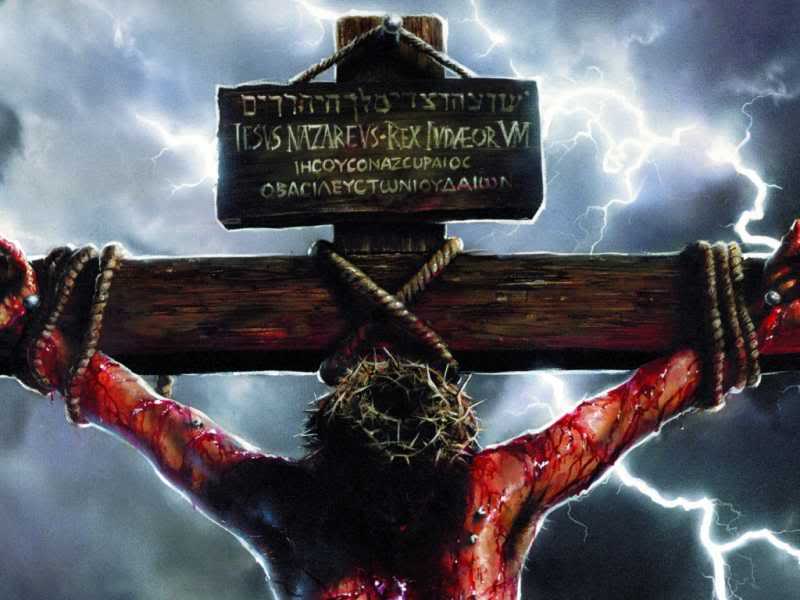
Jesus reversed the curse by his perfect obedience, taking upon himself the due penalty of sin, which is death, for all who believe in him. Jesus faced the ultimate fiery trial of death, and he was the only man who didn’t deserve it, as he was perfectly obedient to the Father and totally righteous, without sin. This is grace in fullness, and amazing love!

“We love because he first loved us.” 1 John 4:19. Christianity is the only basis for true love, trust and compassion. The Bible tells us that “the heart is deceitful above all things, and desperately sick; who can understand it?” Jeremiah 17:9. Once believers are saved by grace from sin, the process of sanctification occurs, the Holy Spirit takes control of our hearts, and we die to the flesh and are reborn by the Spirit of God. We are now able to fully understand what love is. We are able, though not perfectly, to have compassion, and serve others out of gratitude for what Christ has done for us. This is why we can heed the command of Christ in Matthew 5:44–45 to “Love your enemies and pray for those who persecute you, so that you may be sons of your Father who is in heaven.”

People who claim to be atheists, to be consistent with their beliefs, would have a nihilistic worldview. They could never truly know the love or compassion imparted by the Spirit of God. What took place recently at First Baptist Church of Sutherland Springs, Texas , when a church family gathered in a small church in Sutherland Springs, Texas, was massacred by Devin Patrick Kelley, is a horrible tragedy performed by someone who was living out his worldview.

BIBLICAL LOVE REPROVES ANYTHING CONTRARY TO GOD’S LAW

Biblical love involves reproving that which is contrary to God’s law. Love speaks the truth even when it is unpalatable. Love corrects and rebukes; and the willingness to rebuke false doctrine is even listed as one of the qualifications required for eldership! (cf. Titus 1:9) Love hates all that is contrary to good. And since love itself is defined as an attribute of God Himself (cf. 1 John 4:8: God is love), anything that contradicts His teachings and commandments is unloving. Consistent with this definition of biblical love, those who promote homosexuality and transgenderism in the name of ‘love’ are actually unloving. Likewise, one of the most loving things a Christian can do is to warn others of God’s coming wrath (Romans 1:1824–27) and to call them to repentance.

“Better is open rebuke than hidden love. Faithful are the wounds of a friend; profuse are the kisses of an enemy.” Proverbs 27:5-6

Forgiveness of sins and eternal life are available to every person who repents of sin and trusts in Christ alone as Saviour, Lord, and supreme treasure. We deny that the Lord’s arm is too short to save or that any sinner is beyond his reach”.6 Or as the Apostle Paul taught:

“Or do you not know that the unrighteous will not inherit the kingdom of God? Do not be deceived: neither the sexually immoral, … nor adulterers, nor men who practice homosexuality, …will inherit the kingdom of God. And such were some of you. But you were washed, you were sanctified, you were justified in the name of the Lord Jesus Christ and by the Spirit of our God.” (1 Corinthians 6:9–11)

Paul includes homosexual behaviour as a serious sin. But Christians—including those who were guilty of that—are transformed. They are no longer slaves to sin, but have been forgiven, made a new creation by the indwelling Holy Spirit. He is our counsellor, our comforter and teacher. As we submit to the will of God, He will renew our mind, and give us a mind that seeks after the things of God. We are not to be conformed to this world but to be transformed by the renewal of our minds. We are no longer to walk as unbelievers do, in the futility of their minds, and who are darkened in their understanding due to their hardness of hearts, and who have given themselves over to sensuality (cf. Ephesians 4:17–19). Instead, we are called to conform our values and our thoughts to the Word of God—to put off our old self, and to be renewed in the spirit of our minds in true righteousness and holiness (cf. Ephesians 4:22-24); being renewed in knowledge after the image of our Creator (cf. Colossians 3:10). We are not to engage in hermeneutical gymnastics, twisting the Word of God to fit our agenda. Instead, we are to approach Scripture with humility, submitting our entire lives, mind, and even moral values to God’s word.