
On Monday, June 23, Israeli missiles tore through the gates of Evin Prison, sending concrete and steel flying into the afternoon sky. For 45 years, those gates had swallowed Iran’s finest minds, bravest souls and most faithful hearts.
Since 1979, Evin Prison has served as the beating heart of Iran’s persecution machine. In its cells, tens of thousands of Christians have faced extreme torture, solitary confinement and death for the crime of following Jesus. The names of eight pastors who were martyred within its walls are whispered in house churches across the nation like prayers of remembrance. The regime designed Evin to permanently break spirits and minds, to make examples of those who dared believe in something beyond the ayatollahs’ iron grip.
Every cell in Evin is meant to send a message: this is what happens to those who choose light over darkness, who call for freedom over tyranny. Yet the ayatollahs’ greatest miscalculation was believing they could kill what they couldn’t understand. The harder they squeezed, the more their revolution slipped through their fingers.
The numbers tell an impossible story. Over the past couple of decades, despite facing perhaps the world’s most systematic Christian persecution, Iran has become home to the fastest-growing church on earth. Conservative estimates suggest more than one million Iranians have converted to Christianity, transforming from a few hundred believers before 1979 to a movement that now dwarfs the regime’s own support. While the government demands adherence to Islam through violence and law, 50,000 of Iran’s 75,000 mosques have closed their doors due to empty “pews.” The people have voted with their feet, and they have chosen Jesus.
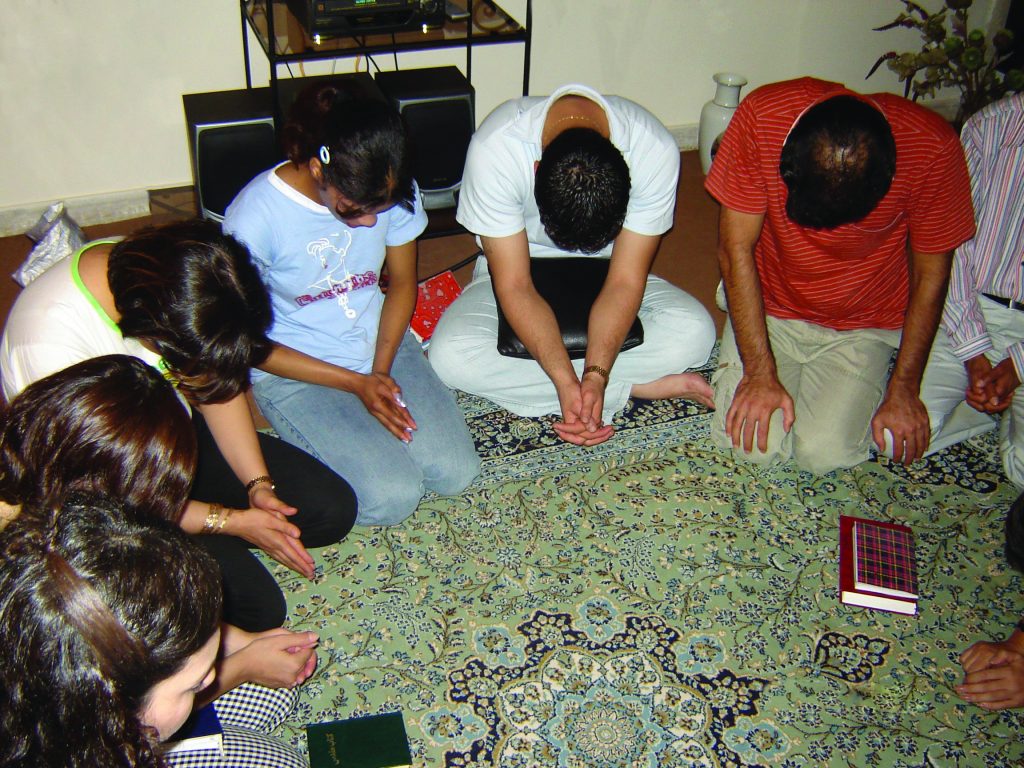
Violence in the name of Islam has caused widespread disillusionment with the regime. When your government promises paradise but delivers poverty, corruption and oppression, people begin searching for something real. Many have found it in the underground house churches, where believers risk everything gathering in small apartments, singing softly so neighbours cannot hear, studying Bibles that could cost them their freedom and even their lives. The same happened in China when Mao persecuted Christians., the house church movement grew with miracles abounding.
The regime’s persecution of Christians has transformed Christianity into something they never anticipated: the ultimate form of resistance. When everything else fails, when politics offers no hope and economics promise only poverty, faith becomes both hope and rebellion. Iranian women share the Gospel with strangers in bazaars. Taxi drivers turn their cars into mobile prayer meetings. Students risk expulsion to attend house churches. They do this knowing the consequences, knowing that Evin Prison waits for those most effective in spreading the faith.
No wonder God brings persecution so He can truly grow His church. These Christians are totally dependent upon and trust God regardless of their circumstances. Can this be said of the church in the west?
 LIVING ETERNAL NOW